
Selecting the Perfect Rug for Your Space: A Wholesale Guide
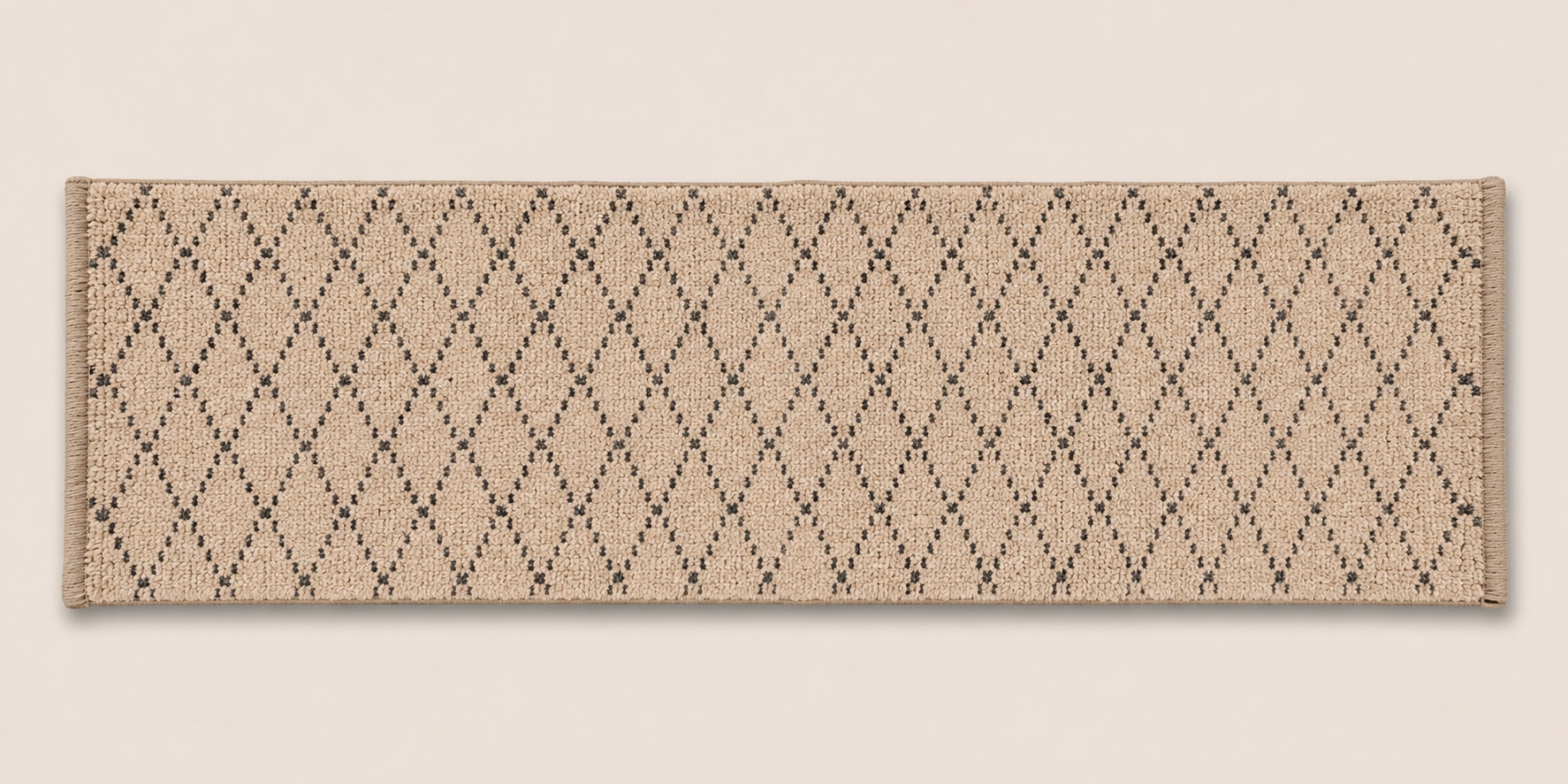
Rugs form the structural foundation of room layouts, anchoring furniture groupings and defining spatial zones. Sourcing the right rugs involves understanding structural techniques, material choices, and correct sizing for end-consumers.
For retail buyers, stocking a balanced mix of flatweaves and tufted styles is essential to meet diverse decorative preferences and functional requirements.
1. Flatweaves vs. Hand-Tufted Rugs
The weaving method determines a rug's height, durability, and texture:
- Flatweaves: Created on handlooms without a backing. They are reversible, lightweight, easy to clean, and perfect for dining areas or high-traffic entryways where low clearance is needed.
- Hand-Tufted: Made by punching yarn loops through a stretched canvas backing using a tufting gun, then securing them with latex and a protective fabric cover. These rugs are thick, soft, luxurious, and ideal for bedrooms and quiet living rooms.
2. Rug Sizing Standards
Having the right size distribution in your catalogue is key. The most popular export sizes include:
- Runners (60x180 cm / 80x200 cm): Ideal for hallways, kitchen borders, and bedside placements.
- Medium (120x180 cm / 150x240 cm): Versatile sizes for living rooms, study spaces, and smaller dining setups.
- Large (200x300 cm / Custom): Needed to anchor queen or king beds and major seating sections.
3. Fiber Performance and Dyes
Organic cotton flatweaves offer incredible dye absorption, translating to bright, colorfast geometric patterns. Blending cotton with jute adds structural rigidity and earth-toned coloring, creating durable products that appeal directly to eco-conscious consumers.
Conclusion
Sourcing rugs requires matching texture, size, and fiber performance to consumer living spaces. Kashinath Enterprises manufactures a complete range of cotton, jute, and blended rugs. Contact us to request custom samples and volume pricing details.