
Why Global Retailers Prefer Organic Cotton Throws
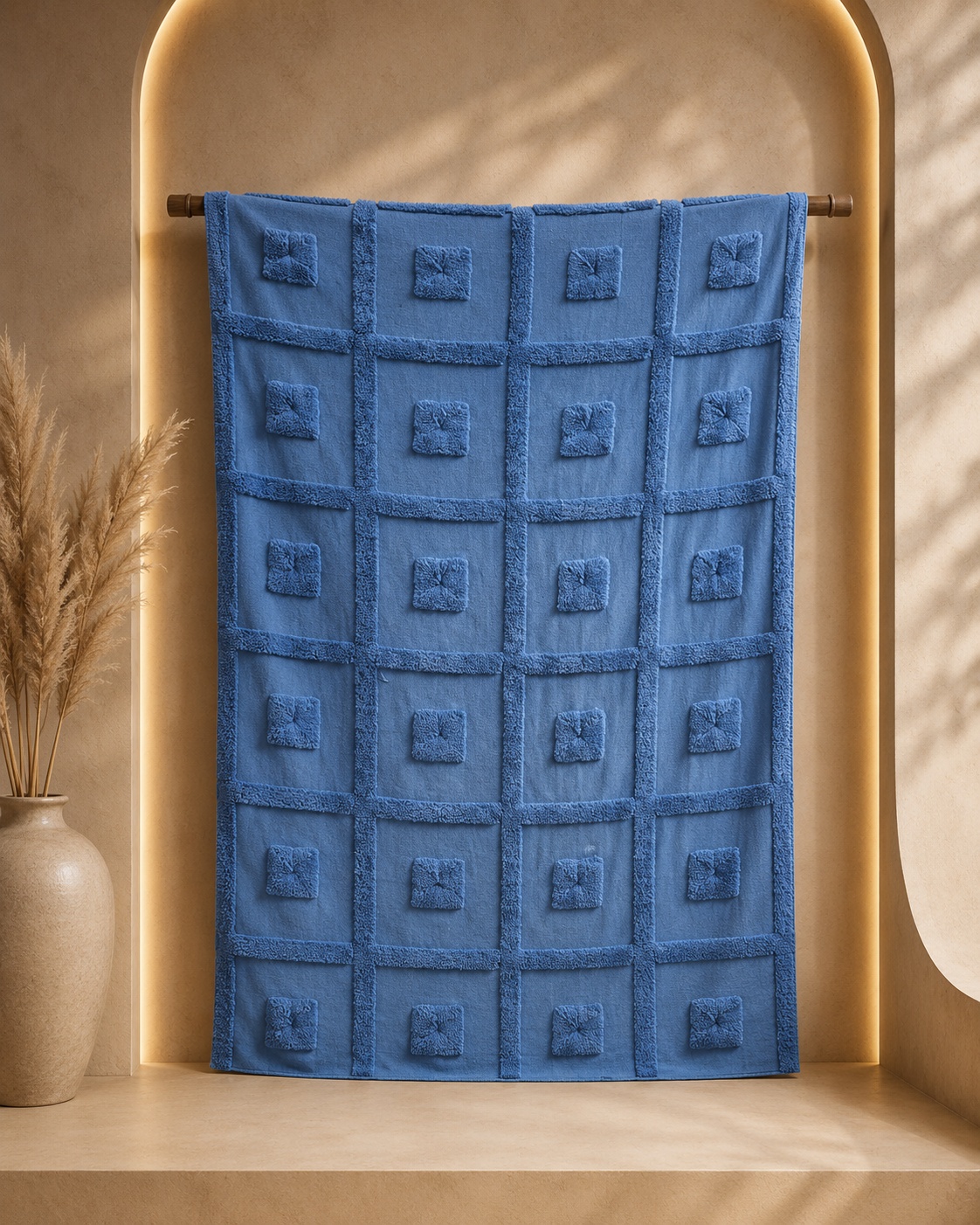
Table of Contents
In the global home decor market, organic cotton throws have evolved from niche eco-friendly items to mainstream catalog essentials. Importers, wholesalers, and major retail chains in North America and Europe are actively shifting purchase budgets from synthetics to certified organic cotton weaves.
This shift is driven by three core factors: growing consumer demand for sustainable home textiles, the superior physical properties of natural fibers, and the attractive retail margins that direct factory sourcing provides.
The Rise of Sustainable Retail Demand
Modern consumers are increasingly conscious of their carbon footprint and the chemicals used in products. The home is seen as a sanctuary, driving demand for chemical-free, natural fabrics that come into contact with skin.
For retail brands, featuring organic lines is no longer optional—it is a critical brand differentiator. Products boasting environmental credentials and ethical manufacturing certifications enjoy high sell-through rates and foster strong customer trust.
Structural Specs: Organic Cotton vs. Polyester
When evaluating home textiles, buyers compare fabric structure and performance. Here is how organic cotton compares to standard polyester wraps:
| Specification | Organic Cotton (Ring-Spun) | Synthetic Polyester |
|---|---|---|
| Breathability | Excellent (Highly porous natural structure) | Poor (Traps heat, prompts sweating) |
| Softness & Touch | Premium matte feel, softens with washing | Synthetic texture, prone to static charge |
| Pilling Resistance | High (Long staple fibers prevent fuzz) | Low (Prone to structural pilling) |
| Biodegradability | 100% Biodegradable & Recyclable | Non-biodegradable (Microplastic shedding) |
Ring-spun organic cotton fibers produce a denser, more breathable yarn that drapes elegantly over furniture, outperforming synthetic fibers in both look and longevity.
Superior Dye Absorption & Aesthetic Appeal
Organic cotton fibers possess a natural lumen structure that absorbs dyes deeply. This allows manufacturers to achieve rich, earthy color tones (such as terracotta, olive, cream, and warm charcoal) using natural, eco-friendly pigments without harsh chemical mordants.
These deep dye bonds prevent color bleeding during laundry cycles, preserving the throw's aesthetic appeal over time. Polyester, in contrast, requires disperse dyes under high pressure, resulting in a artificial sheen that can fade and lose its luster.
Sourcing & Commercial Margin Insights
While organic cotton has a slightly higher initial raw material cost, its premium market position allows retailers to charge higher retail markups. Direct-from-factory sourcing in India bypasses multiple middle traders, significantly lowering unit import costs.
B2B buyers sourcing from certified Panipat factories can secure high gross margins while offering their retail customers a premium, socially responsible product line.
Kashinath Enterprises Organic Cotton Solutions
Kashinath Enterprises manufactures high-quality organic cotton throws, woven blankets, and decorative cushions. Sourcing certified organic yarns and using ethical manufacturing processes, our Panipat production unit delivers premium home textiles for major global markets.
Our SA 8000 certification and strict QC standards ensure that every throw is woven with care, ethically compliant, and ready for retail display.
Related Articles
Choosing the Right Home Textile Manufacturer
Product quality, consistency, and social certifications like SA 8000 play a key...
Preserving the Weaving Heritage of Panipat
Explore the historical evolution of handloom weaving in Panipat, Haryana...
Sustainable Ottomans & Poufs: B2B Forecast
Ottomans and knitted poufs are transitioning from novelty accents to essential...
Request Wholesale Catalog
Are you looking to expand your home textiles range with certified organic cotton throws? Get in touch to request samples, pricing catalogs, and fabric swathes.