
The Science of Absorbency: Premium Bathmat Manufacturing
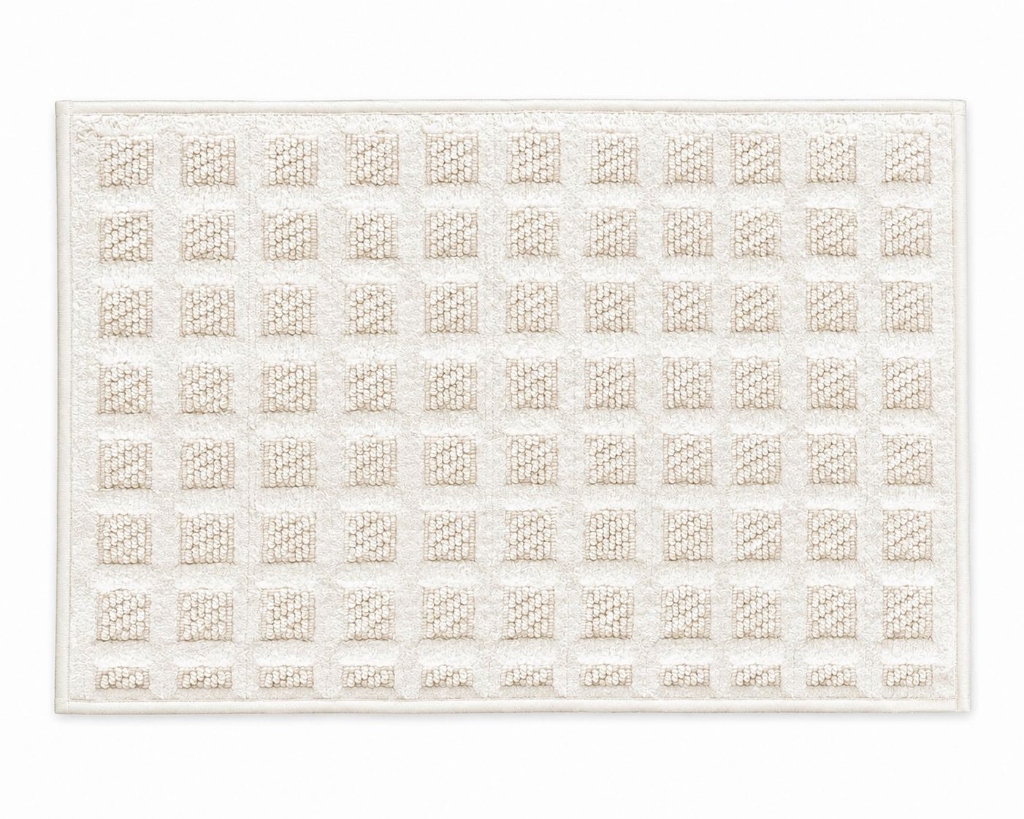
Bathmats are functional essentials in any home decor collection, yet the technology behind manufacturing premium, high-absorbency mats is highly technical. Retailers and hospitality buyers demand products that offer quick drying, luxurious softness, and exceptional washing longevity.
In this article, we look at the engineering of premium bathmats, detailing weave styles, material configurations, and protective backings that define quality exports.
1. Yarn Selection: Pure Long-Staple Cotton
The foundation of absorbency lies in the fiber. While synthetic microfibers dry quickly, they lack the premium hand-feel and organic appeal of cotton. Kashinath Enterprises uses long-staple cotton fibers, which offer:
- Capillary Action: Natural cotton fibers absorb moisture rapidly by drawing water into the core of the yarn.
- Friction Resistance: Longer staples result in stronger yarn twist, reducing shedding and piling during commercial laundering cycles.
2. Construction: Loop Pile vs. Cut Pile
The surface texture impacts both feel and water retention. Loop pile construction keeps the yarn loops intact, maximizing the surface area available to trap moisture. Cut pile, on the other hand, shears the loop tops, creating a plush, velvety surface that feels exceptionally luxurious underfoot but drying time is slightly longer.
Many wholesale buyers opt for high-low combinations that highlight textured geometric patterns while balancing absorbency and dry times.
3. Weight Standards: The Sweet Spot of GSM
GSM (Grams per Square Meter) measures the density of the textile. For bathroom applications:
- Lightweight (400-600 GSM): Ideal for high-turnover gym or spa settings where quick commercial drying is required.
- Premium Luxury (800-1200 GSM): Heavy, dense, and soft. These mats stay flat on the floor and absorb massive quantities of water, representing the gold standard for high-end retail collections.
4. Anti-Skid Backing Integration
Safety is a critical requirement in modern bath rugs. We apply a thin layer of natural transparent latex or hot-melt spray backing to the underside of the mats. This layer prevents slipping on wet tiles while allowing the cotton fibers above to breathe, preventing mold or mildew build-up.
Conclusion
By balancing yarn count, loop style, density weight, and backing compounds, manufacturers create mats that feel premium and perform reliably over hundreds of washing cycles. Contact our sourcing desk to request samples based on these standard specifications.